GM GENUINE PARTS 12693242 Oil Pump Sprocket
fits year: 2020–2024.
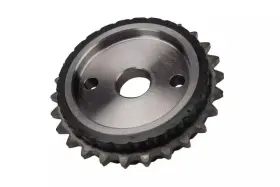
( Brand: Gm Genuine Parts ), ( Part Type: Oil Pump Sprocket ), ( Genuine Oem: Yes ), ( Manufacturer Warranty: 1 Year ), ( Fitment Type: Direct Replacement ), ( Make: Buick ), ( Year: 2020 2021 2022 2023 2024 ), ( Manufacturer Part Number: 12693242 )
Review GM GENUINE PARTS Oil Pump Sprocket fits 2020–2024
GM Oil Pump Sprocket (12693242)
The GM Oil Pump Sprocket (Part Number: 12693242) is an essential component of the engine's oiling system in specific General Motors vehicles. It is meticulously designed to ensure the smooth and efficient transfer of oil from the pump to other critical engine components.
This oil pump sprocket is engineered from high-quality materials, ensuring durability and reliability. The sprocket's teeth are precisely machined to provide optimal engagement with the crankshaft pulley, allowing for proper oil pump operation. The sprocket features a robust design that can withstand the rigors of continuous use in high-performance applications.
The 12693242 oil pump sprocket is specifically designed for use in select GM vehicles, ensuring a perfect fit and function. It is crucial to replace a worn or damaged oil pump sprocket to maintain the performance and longevity of the engine.
Installation of the GM Oil Pump Sprocket is a relatively straightforward process. However, it is essential to follow the proper procedures and use the appropriate tools to ensure a successful installation. Properly installed, this component will continue to provide reliable service, ensuring the engine remains well-lubricated and runs smoothly.
In summary, the GM Oil Pump Sprocket (Part Number: 12693242) is a vital component of the engine's oiling system. It is meticulously designed, engineered from high-quality materials, and precisely machined for optimal engagement with the crankshaft pulley. This oil pump sprocket is specifically designed for use in select GM vehicles and is essential for maintaining the performance and longevity of the engine.
Buying a GM oil pump sprocket with the part number 12693242 involves considering its potential benefits and drawbacks. Here are some pros and cons to help you make an informed decision:
Pros:1. Reliability: Replacing a faulty oil pump sprocket can prevent potential engine damage caused by oil starvation.
2. Improved Performance: A new oil pump sprocket ensures efficient oil flow, leading to improved engine performance.
3. Smoother Operation: A worn-out or damaged oil pump sprocket can cause noise and vibration. Replacing it can result in a quieter and smoother engine operation.
4. Long-Term Savings: Preventing major engine damage by addressing a failing oil pump sprocket early can save you significant repair costs in the long run.
Cons:1. Cost: The cost of purchasing and installing a new oil pump sprocket can be a significant expense, especially if you choose to have it installed by a professional mechanic.
2. Time: Replacing an oil pump sprocket can be a time-consuming process, especially if you choose to do it yourself.
3. Labor Costs: If you decide to have a professional install the new oil pump sprocket, you will incur additional labor costs.
4. Potential for Other Issues: Replacing an oil pump sprocket may uncover other engine issues that require additional repairs.
Conclusion:The decision to buy and replace a GM oil pump sprocket with part number 12693242 depends on your vehicle's condition, your budget, and your personal priorities. If you value reliability, performance, and long-term savings, replacing a faulty oil pump sprocket may be the best choice. However, if you are concerned about the cost and time involved, you may want to consider other options, such as living with the issue or attempting a repair. Ultimately, it is essential to weigh the pros and cons carefully before making a decision.
Recommendation:If you have recently experienced engine issues, such as noise, vibration, or poor performance, replacing the oil pump sprocket may be a necessary investment to ensure the long-term health of your vehicle. However, if your vehicle is running smoothly and you are concerned about the costs, consider having a mechanic inspect your engine to determine the root cause of any potential issues before making a decision. Additionally, consider exploring alternative repair options, such as rebuilding the oil pump or attempting a DIY repair, to potentially save on costs.
Details:
Changed My Mind. Just Didn't Like it. Found a Better Price.
part #: 12693242 price
- $61.63
specifications pumppruner:
- for years: 2020-2024
- brand: Gm Genuine Parts
- part type: Oil Pump Sprocket
- genuine oem: Yes
- manufacturer warranty: 1 Year
- fitment type: Direct Replacement
- make: Buick
- year: 2020 2021 2022 2023 2024
- manufacturer part number: 12693242
returns pumppruner:
- paid by: Buyer
- policy: Returns Accepted
- time: 30 Days
seller pumppruner:
- rating: 96.7%
- # reviews: 18661
- city: Garland, Texas
general pumppruner:
- condition: New
- Car Truck Parts Accessories > Engines Engine Parts > Oil Pumps Parts
payments pumppruner:
- wallet: Apple-pay
- credit card: Visa
- other
offer pumppruner:
- sold: 0
- started: April 4, 2025
- availability: In Stock
- quantity: 4
- options: Ship-to-home
shipping pumppruner:
- class: Standard
- transit: 10-15 Days
- type: Fixed
- carrier: FedEx
- cost: $0.00
- service: FedEx Ground or FedEx Home Delivery
Gm Genuine Parts 12693242 Is Similar To:
- Gm 12608579 Oem New 07-09 Chevrolet Gmc Cadillac Lt Engine Oil Pump Pick Up Tube (32.5% similar) Shipping carrier substitutions may be made at our determination in an attempt to reduce shipping cost the customer. Parts must be resalable and in the original packaging. All Parts have a 90 day warranty. In stock orders ship within 24 hours. Electrical Parts are not returnable...(June 5th, 2024)
- Gm 25203086 Genuine Balancer Shaft With Oil Pump (50.5% similar) Changed my mind. Found a better price. Just didn't like it. And oil pump pickup tube. Incl.balance shaft assay...(June 5th, 2024)
- Aftermarket Products Ma-9761260759 18 High Volume Oil Pump Fit Chevrolet Gm 4.8 5.7 6.0l Ls1 Ls2 Ls3 M295hv 10296 (30.6% similar) Any direct return of purchased items will not be processed. Meet or exceed oem quality. I will give you a satisfy solution. 18% high volume oil pump fit Chevrolet Gm 4.8 5.7 6.0L LS1 LS2 LS3 M295HV 10296 specification: direct replacement. Strict quality control standards to build and...(June 5th, 2024)
- Auxito 12586665 M295 Oil With Pump Timing Chain Kit For Chevrolet Gm 4.8l 5.3l 6.0l Ls1 Ls2 Ls3 (31.9% similar) If your light does not turn on, disconnect the bulb and flip socket in order to reverse polarity this will not damage vehicle electrical system any way. Warm notice 1.THE instruction book is not included in the package. See if you can take the holder from stock bulb. If your light turns on...(June 5th, 2024)
- Gm 12640448 Genuine Engine Oil Pump (51.3% similar) Electrical Parts are not returnable. Used or tried Parts are not returnable. Parts must be resalable and in the original packaging. Shipping carrier substitutions may be made at our determination in an attempt to reduce shipping cost the customer...(June 7th, 2024)
- Stiea Ot00545 Fits Gm New Ls High Volume Oil Pump Change Kit With Gaskets Balancer Bolt Rtv (28.4% similar) Fits Gm new ls high volume oil pump change kit with gaskets balance bolt RV: application...(June 8th, 2024)
- Gm 10118622 Genuine Oil Pick-up (48.6% similar) Beretta, Corsica. Parts must be resalable and in the original packaging. Electrical Parts are not returnable...(June 9th, 2024)
- Melling 55-s1 Oil Pump Pickup Press-on 5 8 In Inlet Stock Pan Sbc gm V6 (36.2% similar) Contaminates enter the oil system causing engine wear and can interfere with proper flow pressure spring functions resulting in damage/failure. 0.500 inch diameter inlet tube. Mewling 55-S1 oil pump pickup - press-on 5/8 in inlet stock pan ABC/gm V6. Buyer pays return shipping...(June 9th, 2024)
- Moroso Performance Products 22119 For Gm Ls Std Volume High Pressure Oil Pump (35% similar) Part #: morose performance products 22119 for sale...(June 11th, 2024)
- Gm 12731661 Genuine Oil Pump (53.5% similar) Shipping carrier substitutions may be made at our determination in an attempt to reduce shipping cost the customer. Electrical Parts are not returnable. Parts must be resalable and in the original packaging...(June 12th, 2024)
- Chevrolet 3732786 Gm M55hv Engine Oil Pump With Screen Original Oem Part (31.3% similar) Good used condition, ready for use. Original oem part 3732786. Chevrolet M55HV engine oil pump w/ screen...(June 15th, 2024)

1 offer $61.63 USD
- New. Offer #1 priced at $61.63 + $0.00 delivery = $61.63* total. FREE SHIPPING