PERFECT CIRCLE 601-1019 Engine Oil Pump 4.1L HM82
fits model: I6, 250. make: Ford. year: 1975–1980.
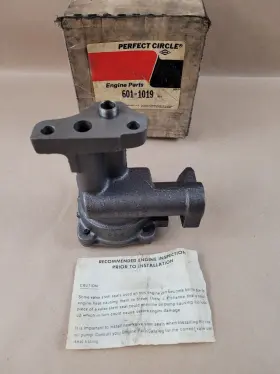
( Brand: Perfect Circle ), ( Items Included: 601-1019 ), ( Vintage Part: Yes ), ( Type: Oil Pump ), ( Ipn: Hm82 ), ( Manufacturer Warranty: 1 Year ), ( Performance Part: No )
Review PERFECT CIRCLE Engine Oil Pump Ford 4.1l fits I6 250 1975–1980
The 601-1019 engine oil pump is specifically designed for Ford vehicles equipped with the 4.1L 250 I6 HM82 engine, manufactured between 1975 and 1980. This essential component of your engine system is responsible for circulating oil throughout the engine, ensuring optimal performance and longevity.
The pump is engineered to meet OEM (Original Equipment Manufacturer) specifications, ensuring a precise fit and reliable operation. It is constructed with high-quality materials, including a durable cast aluminum housing and a robust impeller, designed to withstand the demands of regular use.
The pump features a unique design that utilizes a gear-driven mechanism to transfer oil from the sump to the engine. This design provides consistent oil delivery, even under heavy engine loads, ensuring proper lubrication and cooling of critical engine components.
The 601-1019 engine oil pump comes with an O-ring gasket to ensure a leak-free installation. The gasket is made of a high-temperature, oil-resistant material for added durability and longevity. The pump is also easy to install, with clear instructions provided to ensure a hassle-free experience.
This oil pump is engineered to provide superior performance and reliability, extending the life of your engine and improving overall vehicle performance. It is the ideal replacement for a worn or failed oil pump, ensuring your Ford continues to run smoothly and efficiently.
Investing in a genuine Ford 601-1019 engine oil pump is an investment in the longevity and performance of your vehicle. With its precise fit, reliable operation, and easy installation, you can trust that this pump will meet and exceed your expectations.
Replacing the Engine Oil Pump for a 1975-1980 Ford 4.1L 250 I6 with HM82: Pros, Cons, and Recommendation
1. Background:The engine oil pump plays a vital role in ensuring proper lubrication of the engine by circulating oil throughout the system. For a 1975-1980 Ford 4.1L 250 I6 with HM82 engine, you may consider replacing the engine oil pump for various reasons.
2. Pros of Replacing the Engine Oil Pump:a. Ensuring Proper Engine Lubrication: A faulty oil pump can result in insufficient oil flow, leading to engine damage. When you replace the oil pump, you ensure that your engine receives an adequate supply of oil for optimal performance and longevity.
b. Improving Engine Efficiency: A worn-out oil pump can lead to increased engine wear and decreased fuel efficiency. By replacing the oil pump, you can improve your engine's overall efficiency and potentially save on fuel costs.
c. Preventing Engine Damage: Continuing to drive a vehicle with a failing oil pump can lead to catastrophic engine damage. Replacing the oil pump can prevent costly repairs and potential safety hazards.
3. Cons of Replacing the Engine Oil Pump:a. Cost: The cost of purchasing and installing a new engine oil pump can be significant, especially if you plan to have a mechanic perform the installation.
b. Labor Intensive: Installing a new engine oil pump can be a complex and labor-intensive process. It requires disassembling parts of the engine and engine bay, which may require specialized tools and knowledge.
4. Recommendation:Given the importance of the engine oil pump and the potential consequences of a failure, it is generally recommended to replace the oil pump if you suspect it is faulty or worn out. While the cost and labor involved can be a deterrent, the long-term benefits, such as improved engine performance and longevity, make it a worthwhile investment.
If you are comfortable with performing the installation yourself, you can save on labor costs by purchasing the oil pump and completing the installation yourself. Alternatively, you can consult a professional mechanic to assess the condition of your current oil pump and provide recommendations based on your specific situation.
In conclusion, while replacing the engine oil pump for a 1975-1980 Ford 4.1L 250 I6 with HM82 engine may involve costs and labor, the benefits of ensuring proper engine lubrication, improved engine efficiency, and preventing engine damage make it a worthwhile investment. If you are unsure about your ability to perform the installation yourself, consider consulting a professional mechanic to assess the situation and provide recommendations.
Details:
What you see is what get.
part #: 6011019 prices
- $37.99-$222.11
specifications pumppruner:
- for models: I6, 250
- for makes: Ford
- for years: 1975-1980
- brand: Perfect Circle
- items included: 601-1019
- vintage part: Yes
- type: Oil Pump
- interchange part number: HM82
- manufacturer warranty: 1 Year
- performance part: No
shipping pumppruner:
- class: Standard
- type: Fixed
- transit: 4-9 Days
- carrier: USPS
- cost: $8.72
- service: USPS Ground Advantage
seller pumppruner:
- # reviews: 4148
- city: Andover, Minnesota
- rating: 99.4%
offer pumppruner:
- sold: 0
- options: Ship-to-home
- availability: In Stock
- quantity: 1
- best offers: True
- started: April 26, 2025
payments pumppruner:
- wallet: Paypal
- other
- credit card: Discover
returns pumppruner:
- policy: Returns Accepted
- paid by: Buyer
- time: 30 Days
general pumppruner:
- condition: New
- Car Truck Parts Accessories > Engines Engine Parts > Oil Pumps Parts
Perfect Circle 601-1019 Is Similar To:
- Perfect Circle 601-8052 Engine Oil Pump For 1985-1987 Nissan Vg30e Oem Atsugi (69.7% similar) Sometimes the fitment is so old that it does not take into account trim, engine size or build dates. Once purchased you own it. There may be minor corrosion, scuffs, torn or missing boxes, scratches from storage, etc. Or any other minor issue that does not make the part you are buying defective...(June 7th, 2024)
- Perfect Fit 14394631 Oil Pump For Le Baron Town And Country Ram Van Truck Fury Dodge 1500 Jeep (40.2% similar) Part #: Perfect fit 14394631 for sale...(December 9th, 2024)
- Clevite 601-1249 Perfect Circle 6011249 Engine Oil Pump Repair Kit Usa Made (54.7% similar) Perfect Circle 6011249 engine oil pump repair kit 601-1249 USA made...(December 24th, 2024)
- Perfect Fit 14890852 Oil Pump For Ram Truck Dodge 1500 Jeep Grand Cherokee 2500 Durango 3500 300 (45.6% similar) Part #: Perfect fit 14890852 for sale...(January 2nd, 2025)
- Perfect Fit 16577241 Oil Pump For Honda Accord Odyssey Acura Tl Pilot Mdx Rl Ridgeline 2006 (43.4% similar) Part #: Perfect fit 16577241 for sale...(January 2nd, 2025)
- Perfect Fit 14488050 New Oil Pump For Hyundai Sonata Santa Fe Kia Sportage Tiburon Optima 2131037100 (41.1% similar) Part #: Perfect fit 14488050 for sale...(January 2nd, 2025)
- Perfect Circle 601-1325 Oil Pump Repair Kit High-quality (52.6% similar) Applications. Restore your engines oil pump system to peak performance with the Perfect Circle oil pump repair kit part # 601-1325. Please verify compatibility with your vehicles specifications to ensure a proper fit and performance. Enhanced oil circulation: designed to restore efficient oil...(January 7th, 2025)
- Perfect Fit 14605815 New Oil Pump 4l2z6600a For 2005-2010 Ford Explorer And 2005-2011 Ranger (52.7% similar) 2005 ford explorer sport track Adrenalin 6 Cl 4.0L. Notes:: hardware or nuts not includes. 2005 ford explorer sport track XLS 6 Cl 4.0L. 2005 ford explorer XLT sport 6 Cl 4.0L. 2005 ford explorer sport track XLT 6 Cl 4.0L...(January 18th, 2025)
- Perfect Circle 601-1285 1 Oil Pump Repair Kit Vintage (53.1% similar) This means there could be some discoloration, markings, scratches, or other defect. We combine shipping. Any questions. Like what you see...(February 5th, 2025)
- Clevite 6018026 Oil Pump Perfect Circle 601-8026 2.0l L4 Gas (37% similar) Part #: cleft 6018026 for sale...(March 27th, 2025)
- Perfect Circle 601-1412 Engine Oil Pump Shaft Fits 1968-2001 Ford 255 302 V8 (71.5% similar) Like what you see. Any questions. This means there could be some discoloration, markings, scratches, or other defect. We combine shipping...(April 4th, 2025)

3 offers $37.99–$222.11 USD
- New. Offer #1 priced at $222.11 + $0.00 delivery = $222.11* total. 2009 Ford F150 Platinum 4WD. 2009 Ford F150 King Ranch 4WD.FREE SHIPPING
- New other (see details). Offer #2 priced at $49.97 + $0.00 delivery = $49.97* total. Be sure the part you are buying is correct for your application. Perfect Circle part number .FREE SHIPPING
- New. Offer #3 priced at $37.99 + $8.72 delivery = $46.71* total. What you see is what you get.+$8.72 shipping